
State Minister Christian Bernreiter, Housing, Building and Transport
Nadine Vincentini, bayern design
Architecture Matters 2026
How to connect to an uncertain future?
Architecture Matters is an international conference on architecture, urban development and the real estate industry based in Munich, and one of Europe’s most established platforms for interdisciplinary exchange. Since 2016, it has brought together decision-makers from architecture, real estate, project development, finance, politics and public administration on an annual basis.
10 years! Architecture Matters celebrates its first decade in 2026. More than ever, we are convinced that cities can only be shaped collectively – by thinking all spheres together: architecture, development, clients, finance, city government, and politics. We may be less idealistic than when we began, yet we still trust in dialogue’s ability to generate insight – not as a token gesture, but grounded in genuine mutual interest. In returns measured not only in financial gain, but in public value – and in the enduring strength of good design.
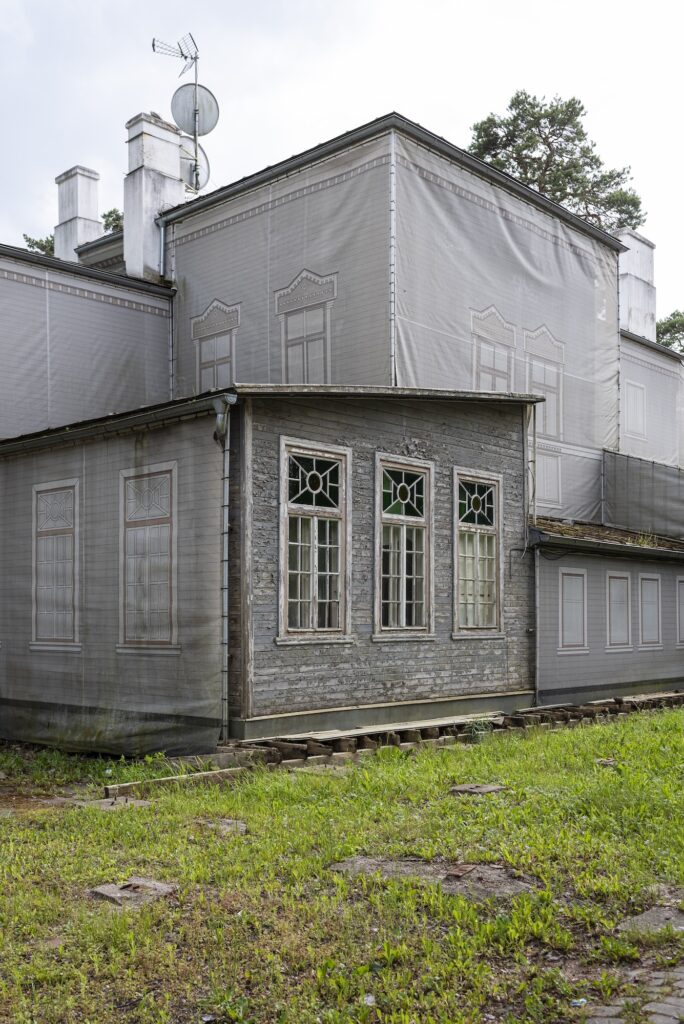
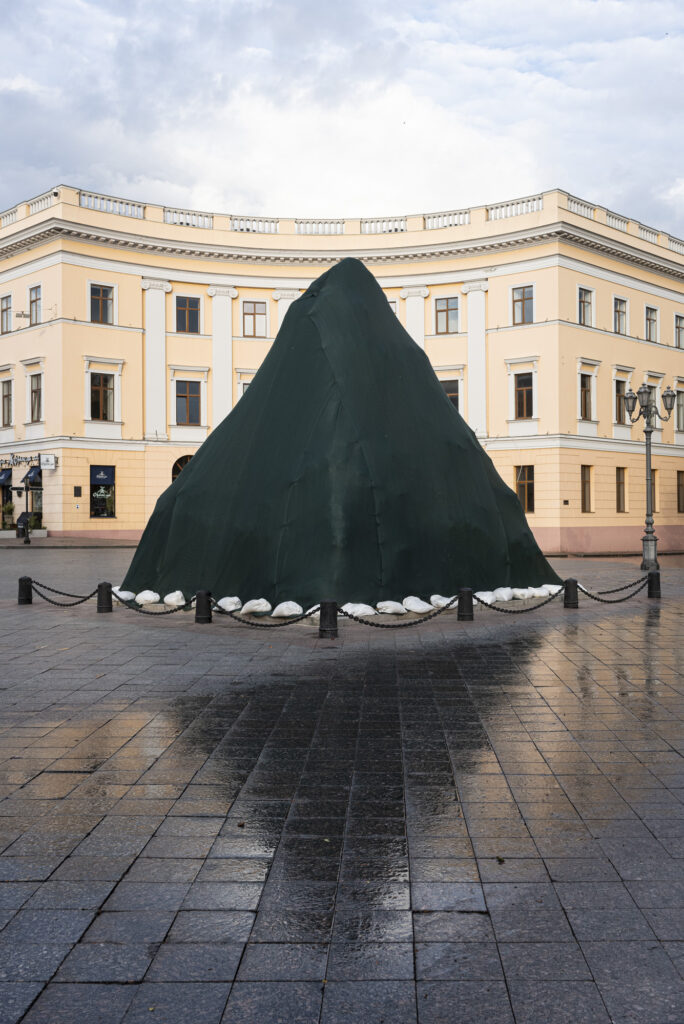
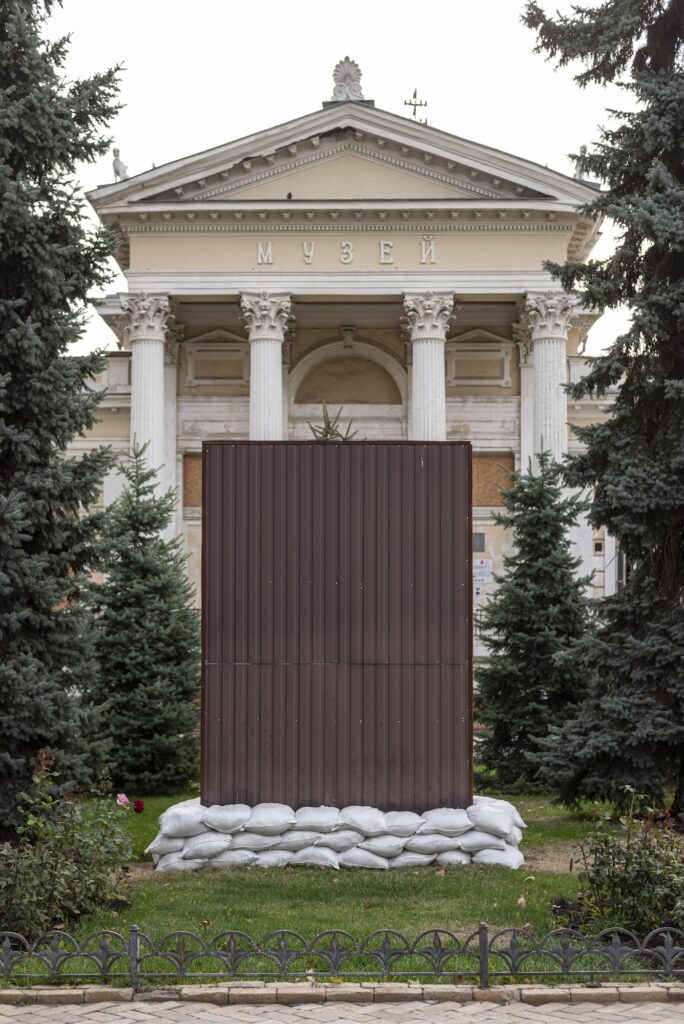
Architecture Matters 2026 – How do we connect to an uncertain future? Anyone travelling east from Germany senses it at once: resilience in European cities has acquired a new increasingly geopolitical dimension. How do we protect our cities from hostile military attacks? How do we defend them if the situation becomes critical? Do we know where they are particularly vulnerable – in their “hardware”, or perhaps in their “software”? Alongside the challenges of climate change, demographic shifts, and AI, Europe is now experiencing a new form of uncertainty: a fragile geopolitical order, a world reorganizing itself.
How much time do we have left? The real-estate sector is famously slow to translate widely accepted insights – how to build faster, more economically, and more simply – into structural change. How do we accelerate decision-making without sliding into authoritarian tendencies or repeatedly starting from zero? How can we build as resource-efficiently as possible, even in a strained economic environment? How are investment decisions made in times of structural uncertainty, and what role does political stability play? How will large-scale investments in weapons and defence influence the way we plan our cities? And where is the productive moment that enables us to shape the future with – or despite – uncertainty, rather than being overtaken by it?
How do we connect to an uncertain future? The conference brings together keynote perspectives from New York, Milan, Berlin, and Munich – each offering clear, resonant examples of this productive moment. The Focus Sessions then move into concrete terrain: Focus Finance, AI, Phase Zero, Light Industrial, Offices of the Future, and a Female Focus for greater diversity and resilience in urban development.
Architecture Matters 2026
Opening Reception
15 April 2026, 6:30 pm
ZIRKA Space, Dachauerstr. 110c, 80636 Munich
Architecture Matters 2026
Conference
16 April 2026, 9:00 am – 6:00 pm
House of Communication, Friedenstr. 24, 81671 Munich
Speaker
Key Speaker
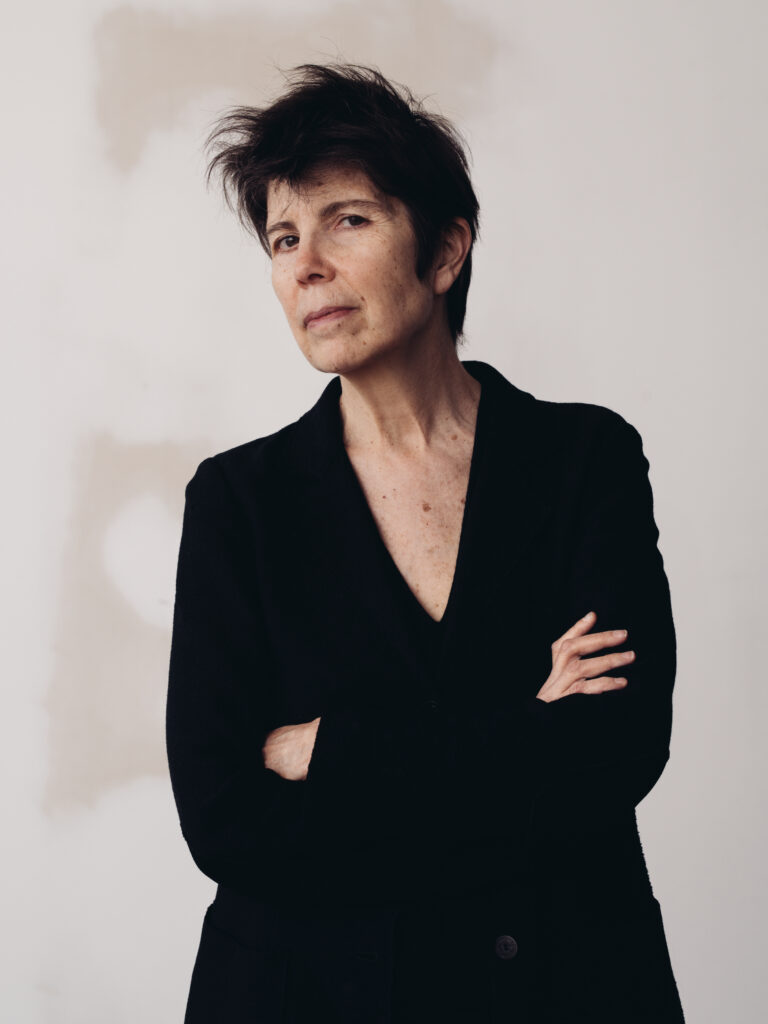
Elizabeth Diller
Diller Scofidio + Renfro
Diller Scofidio + Renfro, New York
Elizabeth Diller is a founding partner of the internationally renowned studio Diller Scofidio + Renfro (DS+R), which merges architecture, urbanism, art, and media into new ways of thinking about space. She is widely regarded as one of the most influential architects of our time. Alongside partner Ricardo Scofidio, Diller’s cross-genre work has been distinguished with TIME’s “100 Most Influential People” list and the first MacArthur Foundation fellowship awarded in the field of architecture. She has also received the Wolf Prize in Architecture.
Her work has left a lasting mark on New York City: she was responsible for the design of the High Line Park, The Shed, and the expansion of the Museum of Modern Art. Diller is a member of the UN Council on Urban Initiatives and Professor of Architectural Design at Princeton University.
photo: Geordie Wood, Diller Scofidio + Renfro
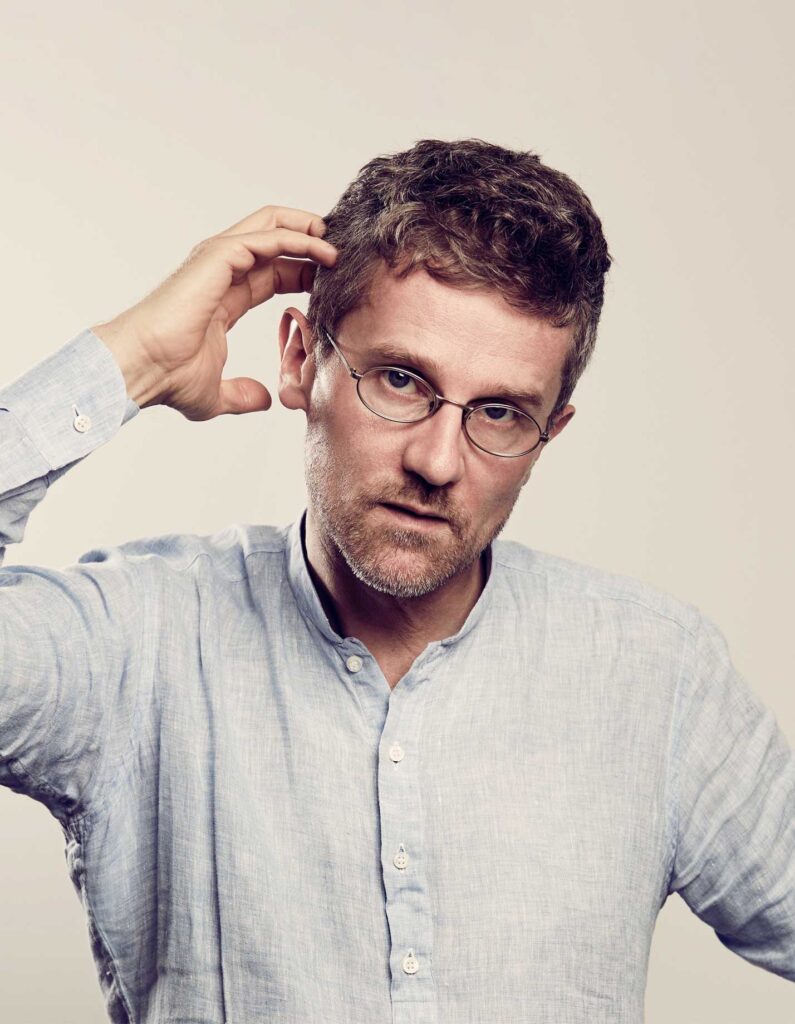
Carlo Ratti
MIT and Carlo Ratti Associati
Senseable City Lab, MIT, Cambridge; Carlo Ratti Associati, Turin–New York
Carlo Ratti has a deep passion for cities and the built environment. A practicing architect, he teaches at the Massachusetts Institute of Technology, where he directs the Senseable City Lab. He graduated in engineering from the Politecnico di Torino and the École Nationale des Ponts et Chaussées in Paris, and later earned his MPhil and PhD in architecture at the University of Cambridge, UK. Carlo holds several patents and has co-authored over 250 publications. His work has been exhibited worldwide at venues such as the Venice Biennale, the Design Museum in Barcelona, the Science Museum in London, GAFTA in San Francisco, and the Museum of Modern Art in New York.
In 2025, he curated the 19th International Architecture Exhibition of the Venice Biennale, titled “Intelligens. Natural. Artificial. Collective”. Working at the intersection of research, design, and entrepreneurship, he aims to provoke public debate about urban life and to explore new ways in which technology, architecture, and society can interact.
photo: Carlo Ratti Associati
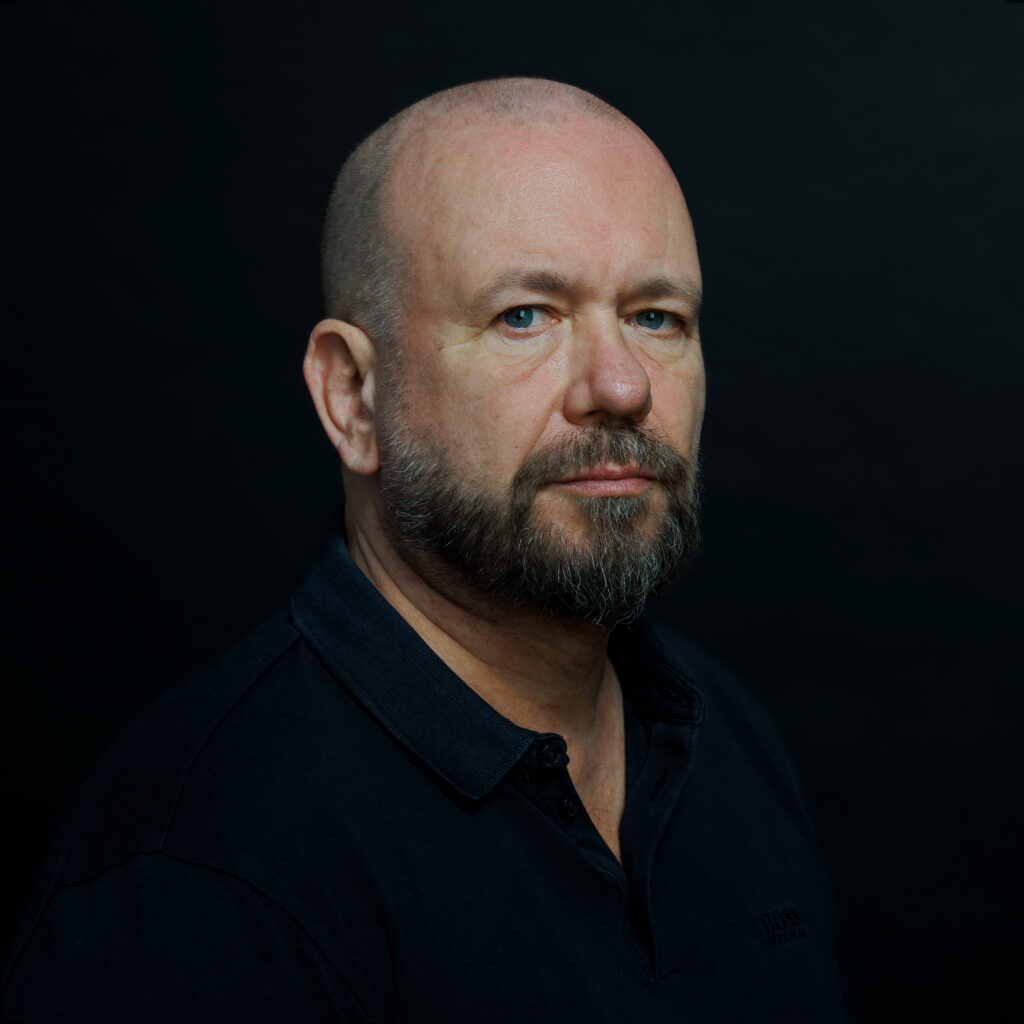
Reinier de Graaf
OMA
Reinier de Graaf is a Dutch architect and writer. He is a partner at the Office for Metropolitan Architecture (OMA) and co-founder of its think tank, AMO. He is responsible for major building and masterplanning projects across Europe and the Middle East, including Al Daayan Health District (Doha), Norra Tornen (Stockholm), Holland Green (London) and De Rotterdam (Rotterdam).
De Graaf is the author of “Four Walls and a Roof: The Complex Nature of a Simple Profession”, “architect, verb”, and the recent manifesto “Architecture Against Architecture”: The authority of architects is crumbling, their methods no longer tenable. In a highly critical introspection, Reinier de Graaf explores the tough choices ahead and the course of action that must follow.
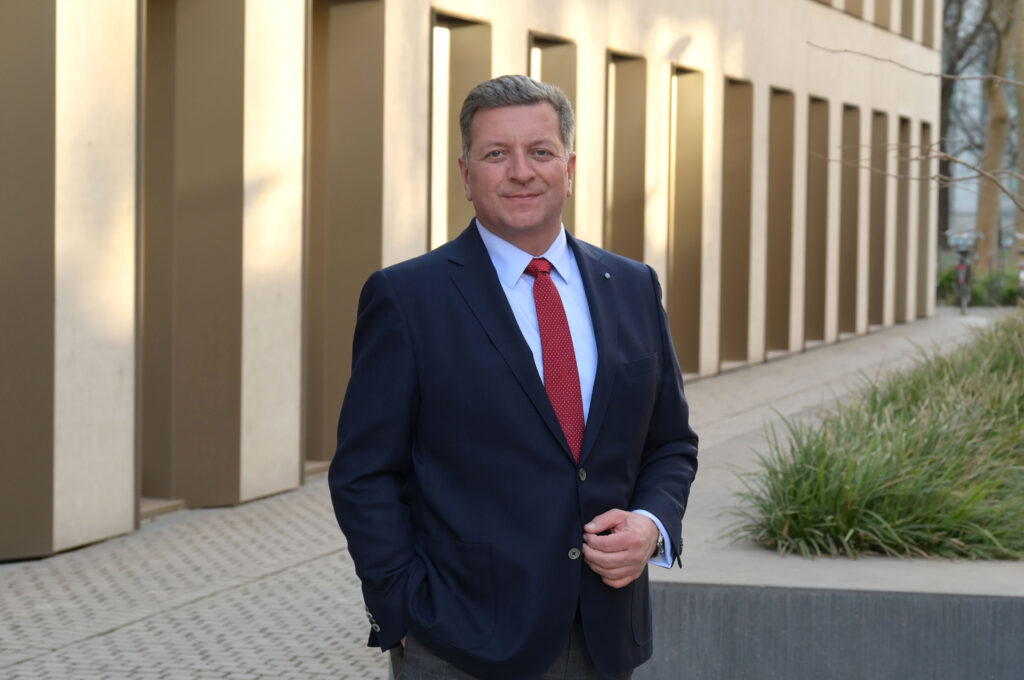
Christian Bernreiter
State Minister
State Minister for Housing, Building and Transport, Munich
Christian Bernreiter has served as Bavarian State Minister for Housing, Construction and Transport since 2022. Prior to that, he shaped the District of Deggendorf for 20 years as its District Administrator and also served as President of the Bavarian District Association. An engineer and entrepreneur by training, he is committed to future-oriented mobility, affordable housing, and a sustainable building culture in Bavaria.
photo: Bavarian State Ministry for Housing, Building and Transport
Speaker
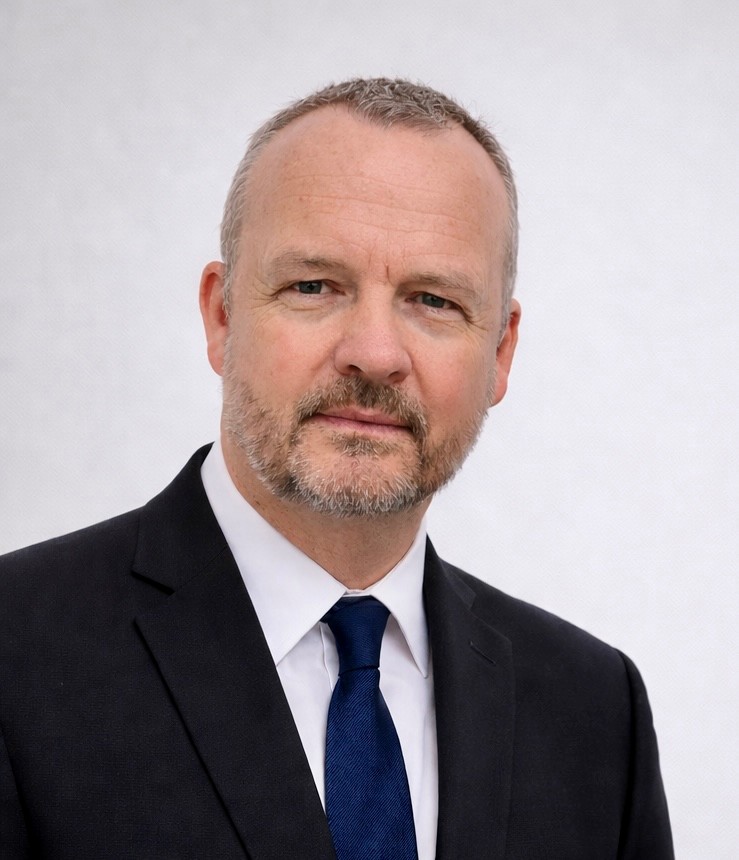
Jürgen Fenk
Zech Group SE
Member of the board of DIH AG, the real estate segment of Zech Group SE.
Juergen Fenk is member of the board of DIH AG, the real estate segment of Zech Group SE. He is also a Strategic Advisor of Eastdil Secured, a global real estate investment Bank. Mr Fenk occupied various international leadership positions and has extensive experience in the real estate, banking and capital market sectors. He also acts as an Investor in the AI & Tech space. Juergen is a former Chairman of ULI Europe and served on the Global Board of ULI. Finally, Juergen is acting as a non-Executive Board member of Vonovia SE.
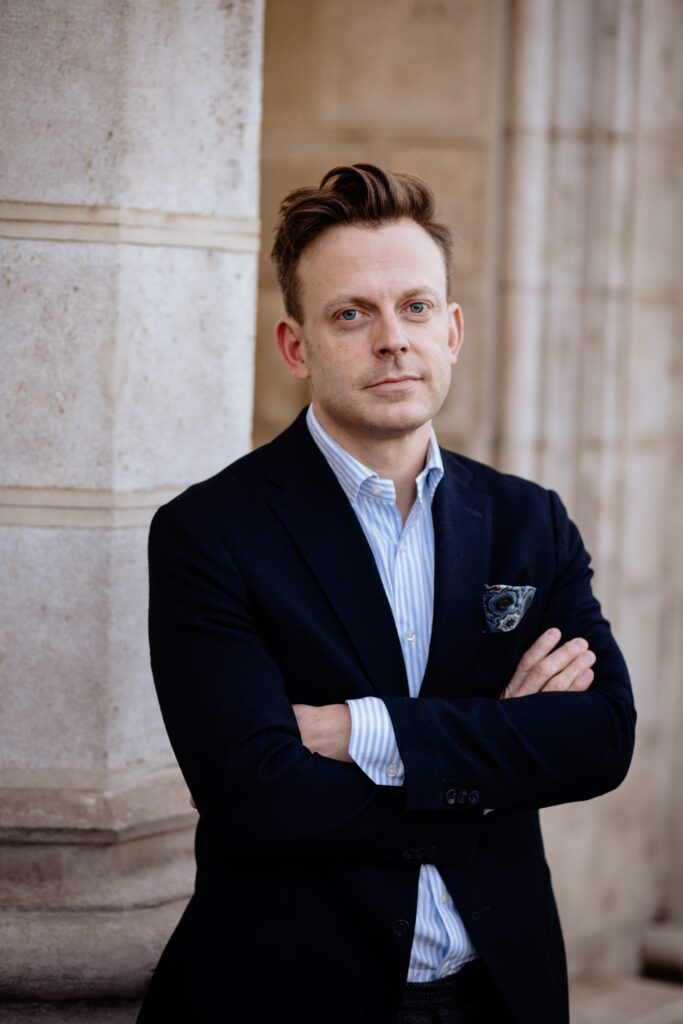
Franz-Stefan Gady
military analyst
Franz-Stefan Gady is one of Europe’s leading military analysts and serves as an Adjunct Senior Fellow at the Center for a New American Security in Washington, DC. He advises governments and armed forces, regularly travels to the front lines in Ukraine, and confronts us with the uncomfortable reality of a new global order. Having long outsourced all things military to the US, we are now facing a watershed moment as America’s role in the international system shifts: military confrontation is increasingly viewed as a legitimate means of asserting national interests. At the same time, uncrewed systems and AI are fundamentally transforming warfare. Military security as the cornerstone of a democratic society – what does that mean today?
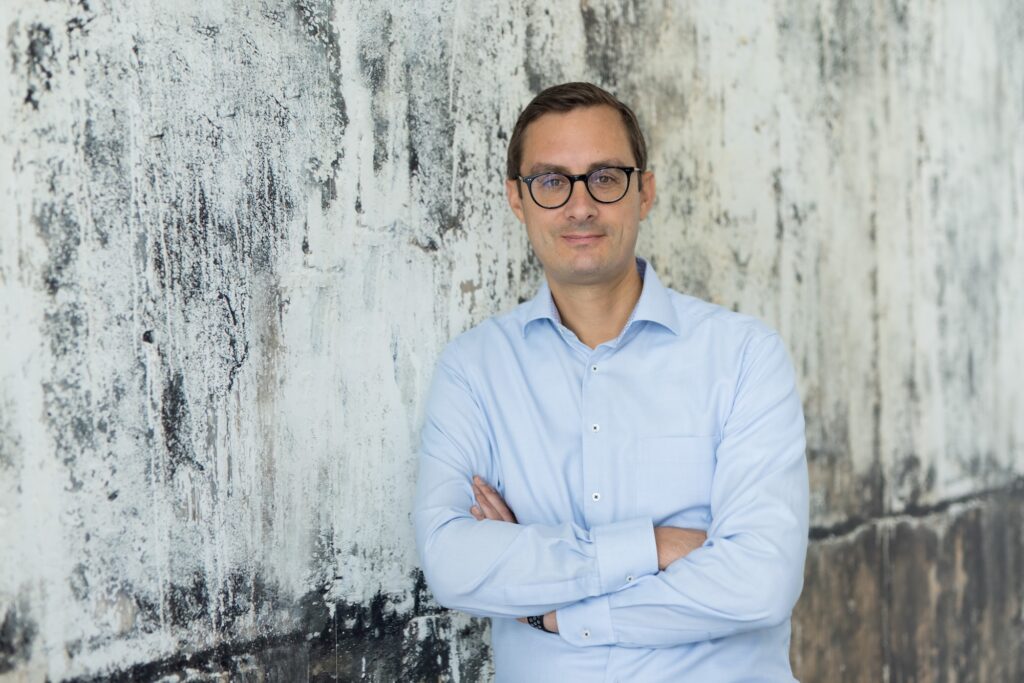
Henning Koch
Commerz Real AG
Chairman of the Board of Managing Directors, Commerz Real AG
Henning Koch has served as Chairman of the Board of Managing Directors of Commerz Real, the real assets subsidiary of Commerzbank, since 2021. In addition to his overall responsibility as CEO, his remit includes Product Management for Retail Clients, Real Estate Hospitality and Shopping, Real Estate Office and Industrial, Real Estate Asset Operations and Technology, Real Estate Transactions, Real Estate Development and Construction, Group Strategy and Sustainability, as well as Brand Intelligence and Customer Excellence.
Koch joined Commerz Real in 2017. Previously, he held senior leadership roles at Credit Suisse and Savills, including positions in Frankfurt am Main and London. He studied business administration and later earned a postgraduate qualification in real estate economics.
photo: Commerz Real AG
Gerd Harry Lybke
EIGEN + ART
Gallery EIGEN + ART, Berlin–Leipzig
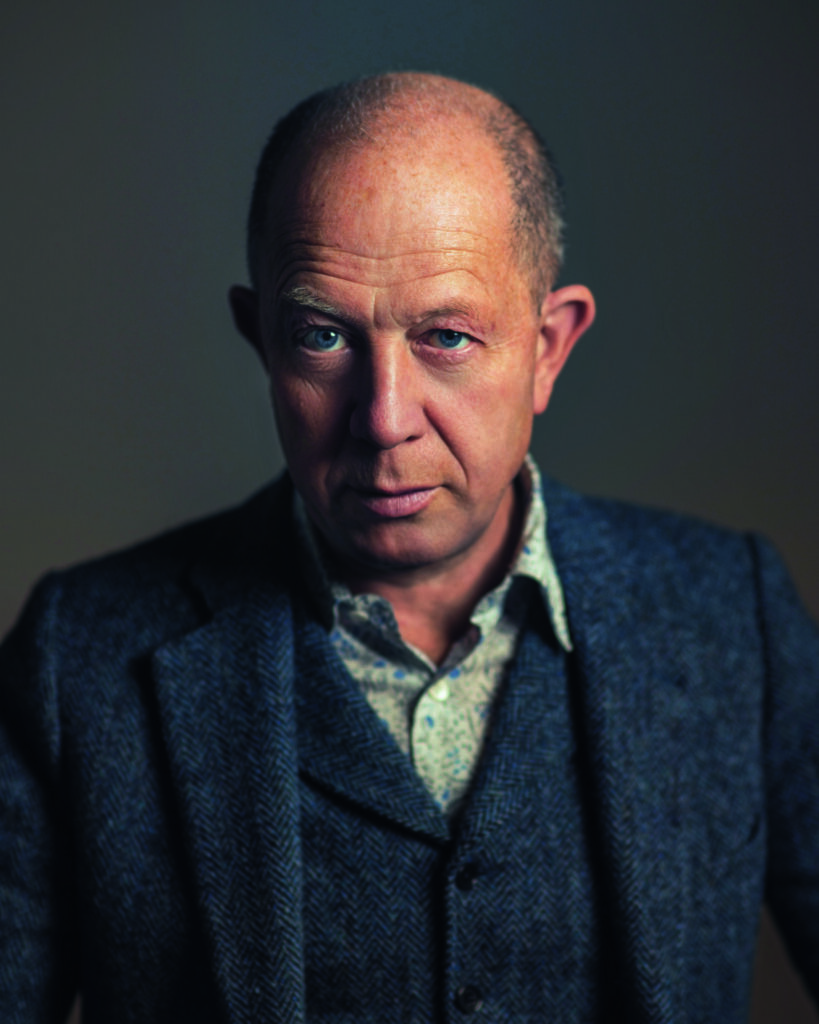
Gerd Harry “Judy” Lybke has been shaping Germany’s contemporary art scene for more than four decades. In 1983, he founded the gallery EIGEN + ART in Leipzig, creating an independent space for artistic experimentation even during the GDR era. After 1989, he expanded the gallery into an internationally connected platform with remarkable determination.
He has supported many now-renowned artists – including Neo Rauch, Carsten Nicolai, and Olaf Nicolai – from the very beginning of their careers. With locations in Leipzig, Berlin, and the EIGEN + ART Lab, Lybke continues to foster new artistic perspectives and strengthen exchange between local scenes and global art discourses.
photo: Enrico Meyer
Elisabeth Merk
Planning Director
City of Munich
City of Munich
Planning Director, City of Munich
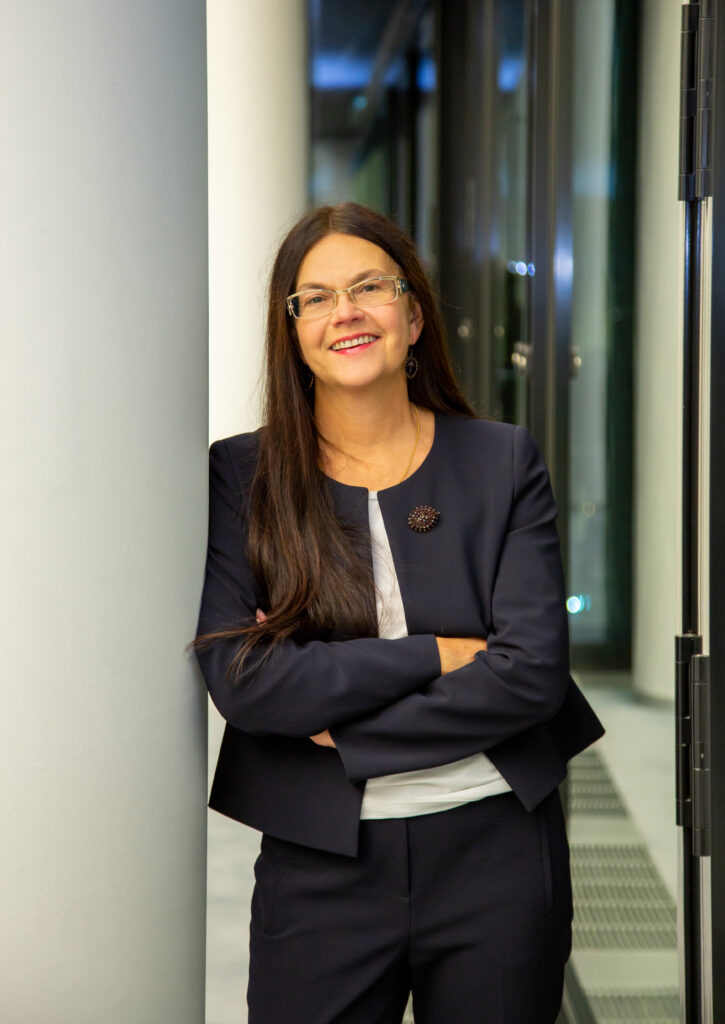
Prof. Dr. (University of Florence) Elisabeth Merk, an architect, has served as Munich’s City Planning Director since 2007. After working as a freelance architect and completing advanced studies in Florence, she was responsible for urban design, urban monument preservation, and special projects in Munich and Regensburg from 1995 to 2000. From 2000 to 2005, she headed the urban planning office in Halle/Saale. Merk held a professorship at the Stuttgart University of Applied Sciences (HfT) from 2005 to 2007 and has been an honorary professor there since 2009. She was also appointed honorary professor at the Technical University of Munich (TUM) in 2020.
Merk is a member of the Building and Planning Committee of the Bavarian Association of Cities and Towns, the UNESCO network Conservation of Modern Architecture and Integrated Territorial Urban Conservation, the Board of Directors for National Urban Development Policy, the Advisory Board of the Federal Foundation for Building Culture, and the Advisory Board of the German Werkbund.
photo: Ilona Stelzl
Jürgen Michels
BayernLB
Chief Economist and Head of Research at BayernLB
Dr. Jürgen Michels has been Chief Economist and Head of Research at BayernLB in Munich since October 2013. Prior to that, he was an economist at Citigroup in London from 2002 to 2013, focusing on capital markets in the eurozone and becoming its Chief Euro-Area Economist in 2008. From 1997 to 2002 he worked as an economist at Sal. Oppenheim in Cologne, and from 1996 to 1997, as a research associate at the University of Bonn’s Institute for International Economic Policy. Michels studied economics at the University of Bonn and earned his doctorate at Goethe University Frankfurt with a dissertation on central bank strategies.
photo: Tanja Kernweiss
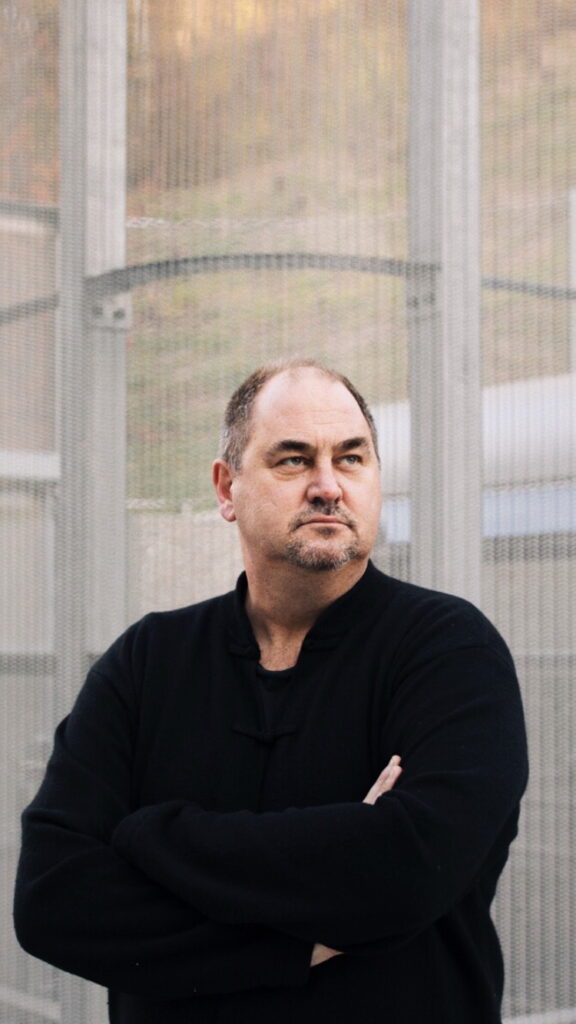
Thomas Sevcik
arthesia
Thomas Sevcik is a co-founder of arthesia, a Zurich-based special situations advisor that counsels companies, organizations, cities, and regions worldwide on repositioning strategies and special projects.
Regarded as one of the masterminds behind the Autostadt in Wolfsburg, he developed the concept, strategy, and content for the major The Circle project at Zurich Airport and co-developed the LabCampus concept for Munich Airport. His extensive portfolio includes projects for Deutsche Bank and Swiss Re, as well as positioning strategies for the Frankfurt Rhine-Main region, the City of Duisburg, and Neocity – the high-growth “boom corridor” between southeast Berlin and BER Airport. Sevcik studied architecture at the Technical University of Berlin and is a frequent writer, panellist, and commentator based in Panama City.
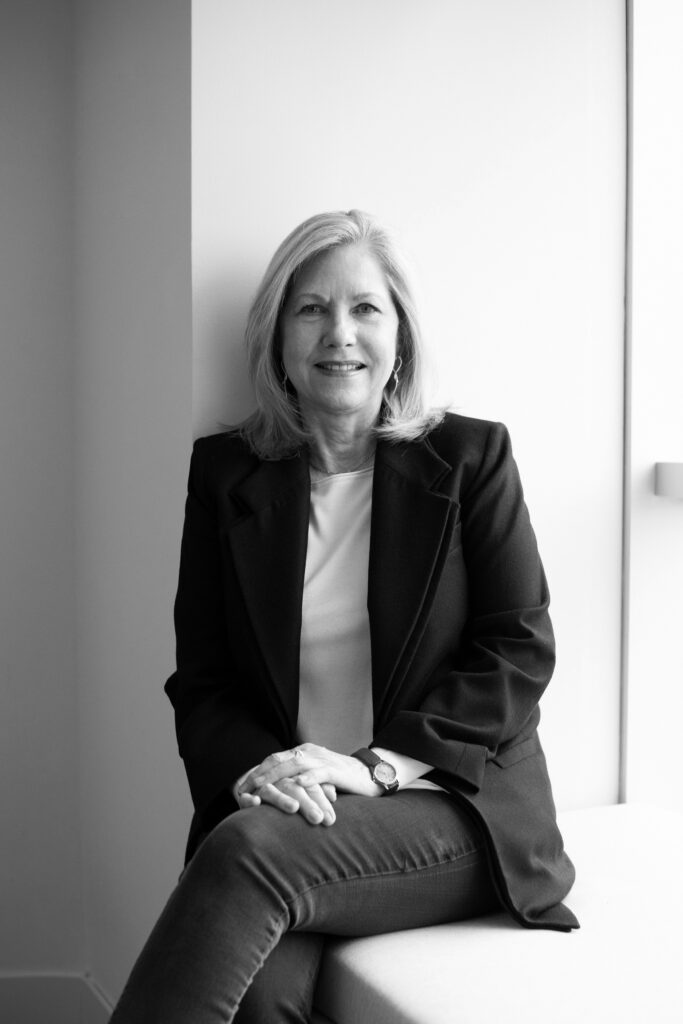
Martha Thorne
Gallery Institute
Martha Thorne is an American architectural academic, curator, editor, and author. She served as the Executive Director of the Pritzker Architecture Prize for 15 years, and was the dean of the Architecture School at IE University in Madrid. She is an honorary fellow of the Royal Institute of British Architects and the professional association of architects in Madrid.
Her main interests centre on the contemporary city and how architecture, design, and urbanism can make the highest-quality environments and contribute to sustainability and resilience; and how education can evolve in content and pedagogy to be more relevant for today’s challenges.
photo: Carlos de Lucas
Moderators & Contributors
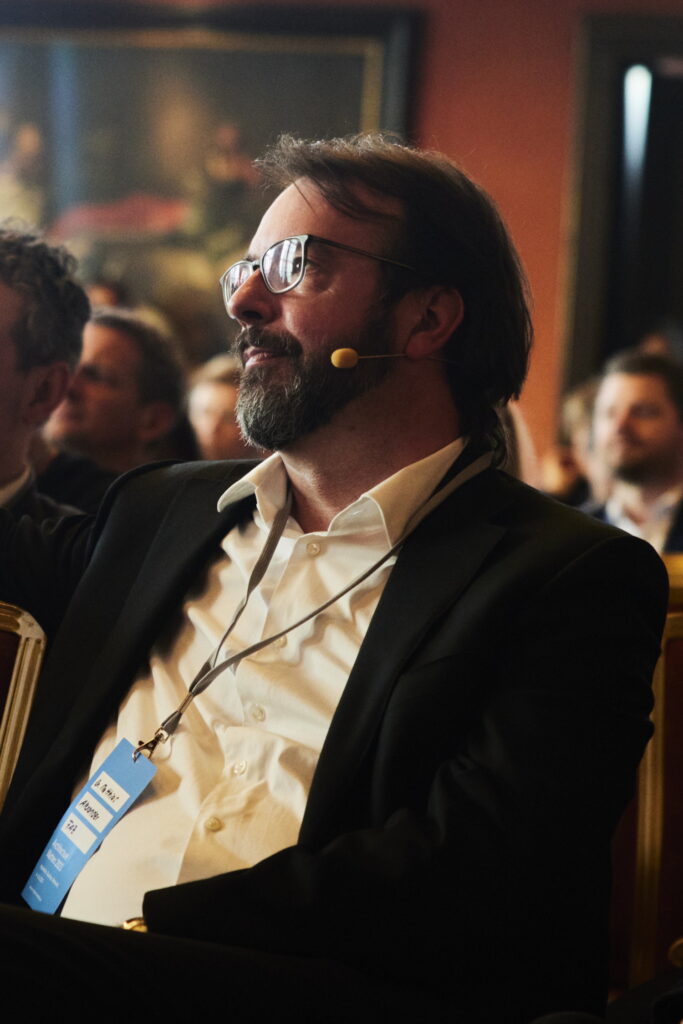
Matthias Alexander
FAZ
Deputy Editor, Arts & Culture (Feuilleton), FAZ
Dr. Matthias Alexander was born in 1968 in Hanover. He studied history, German studies, and philosophy in Bonn, Bologna, Jena, and Munich. In 1998 he completed his PhD with a dissertation on the Free Conservative party in the German Empire. Alexander joined the editorial team of Frankfurter Allgemeine Zeitung (FAZ) in 1999, covering urban planning and architecture and rising to head of the department in 2007. He moved to the FAZ features department in summer 2020, where he has been the deputy head since June 2021. He has authored several books on architecture in Frankfurt am Main, on topics such as the Waldstadion (now Deutsche Bank Park) stadium, high-rise buildings, unfinished projects, and the historical city centre (Altstadt).
photo: Dr. Matthias Alexander: © F.A.Z.
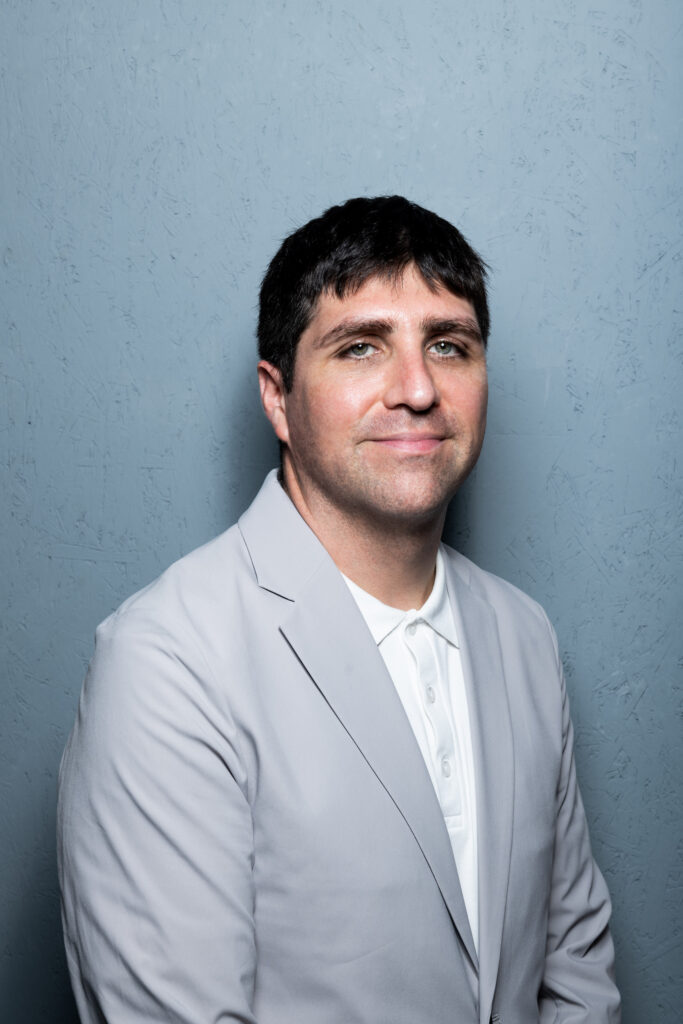
David Basulto
Founder ArchDaily
David Basulto is the founder of ArchDaily, the world’s most visited architecture website, acquired by the NZZ Mediengruppe in 2020. Since 2025 David works as an independent curator, editor and advisor to different global institutions and technology startups. He is a member of the Master Jury of the Aga Khan Awards for Architecture, the Endeavor Foundation in New York, and the Academic Council of the TEC de Monterrey in Mexico. He was curator of the Nordic Pavilion at the 2016 Venice Architecture Biennale. David is one of Chile’s 100 Young Leaders and received the Chilean National Innovation Award for ArchDaily.
photo: Jose Salto
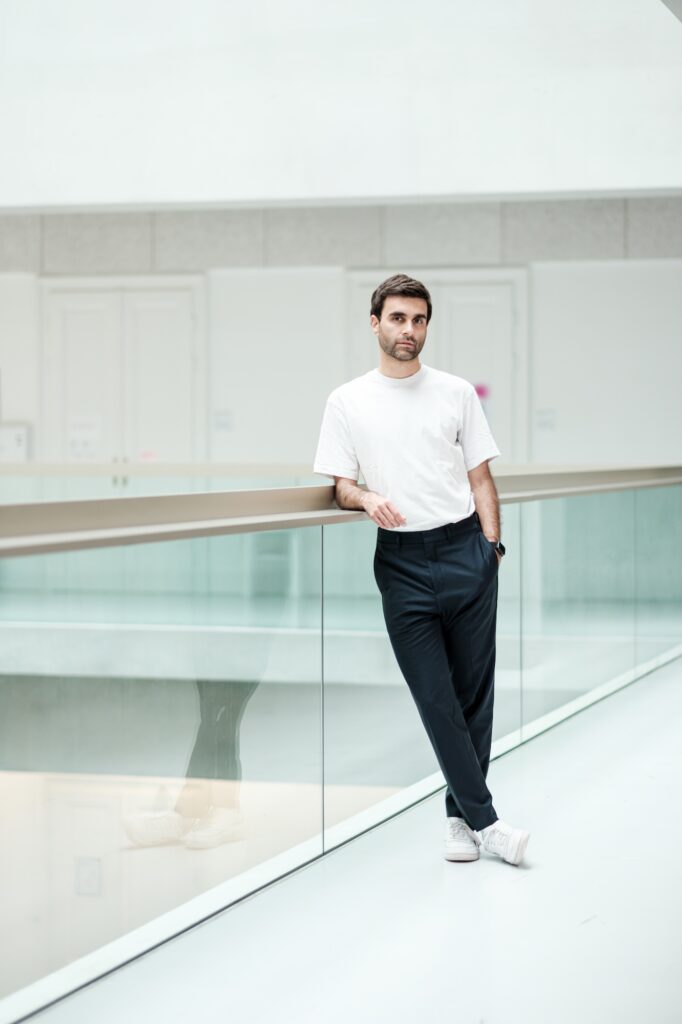
Arian Lehner
architektur.aktuell
Editor-in-Chief of architektur.aktuell
Arian Lehner is an architecture journalist and filmmaker. He is the Editor-in-Chief of architektur.aktuell, Austria’s leading architecture magazine, and the founder and director of the international TV series Mies.TV. Alongside his journalistic work for the Austrian daily DER STANDARD, and working at the United Nations Headquarter in Vienna as conference officer, he studied architecture at the Technical University of Vienna, the University of Manchester, and the University of Applied Arts Vienna (Studio Kazuyo Sejima – SANAA). He has worked for renowned international firms such as MVRDV (Rotterdam) and OMA / Rem Koolhaas (Hong Kong). His films have been produced and screened across Europe, Asia, Africa, and North America.
photo: Eric Sviratchev
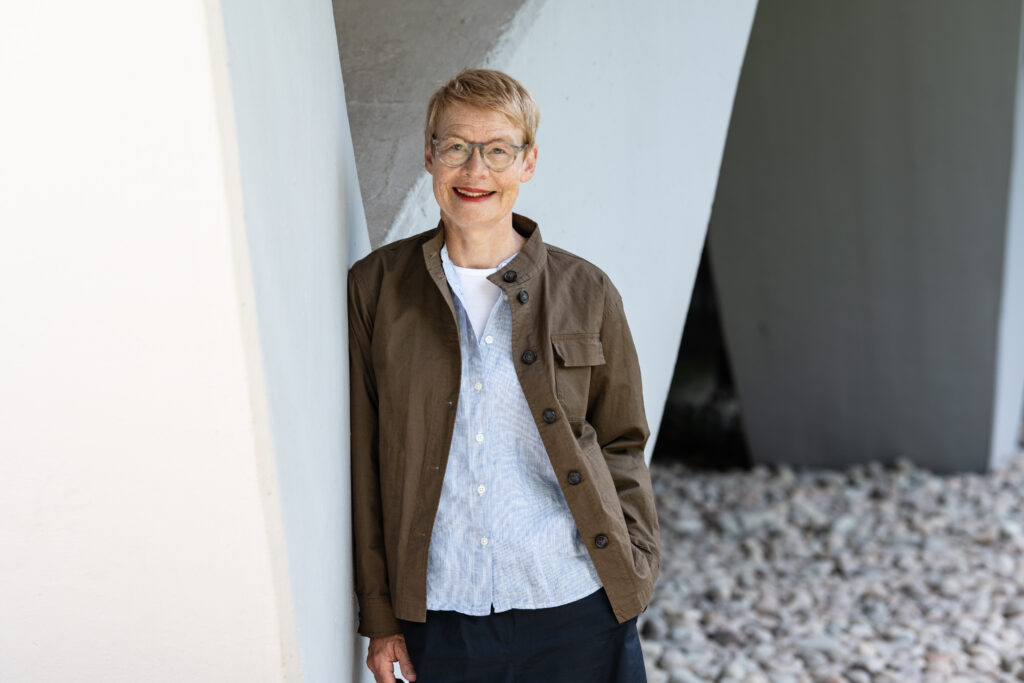
Regula Lüscher
Die Stadtmacherin
Die Stadtmacherin, Berlin–Zurich
Regula Lüscher is an architect and urban planner. From 2007 to 2021, she shaped Berlin’s urban development as Senate Building Director and State Secretary, overseeing 900 employees and representing Berlin at the federal level. Before this, she managed urban planning and architectural projects in Zurich, serving as Deputy Director of the Office for Urban Development.
Since 2022, Lüscher has been Managing Director of “Die Stadtmacherin” (The City Maker), where she supports complex urban development and architectural projects, facilitates planning processes, and advises leaders. She has presided over numerous award juries and is an honorary professor at Berlin University of the Arts. Her expertise spans urban planning, participation, sustainability and communication.
photo: Anke Illing
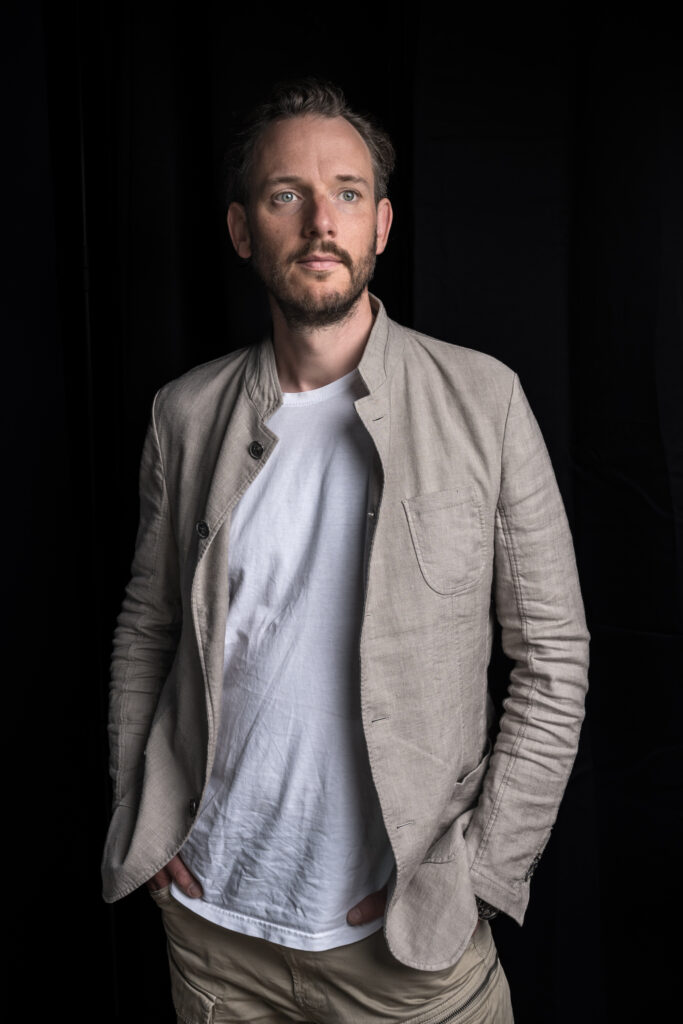
Christian Meister
Hines
Christian Meister is a Senior Managing Director of Hines Germany. He is responsible for investment management, project development and business development across all asset classes in southern Germany with a focus on Munich. In addition he is responsible for the Hines logictics platform in Germany. His past experience includes serving as a development manager in Hines’ Stuttgart office. Christian Meister has joined Hines in 2008. He graduated from the International Real Estate Business School IREBS in Regensburg with a MBA in Business Administration. He also holds a lecture at the chair of Prof. Dr. Bone-Winkel at the University of Regensburg in Real Estate Finance and Development. Since 2018 Christian is holding the ULI Local Chair for Munich.
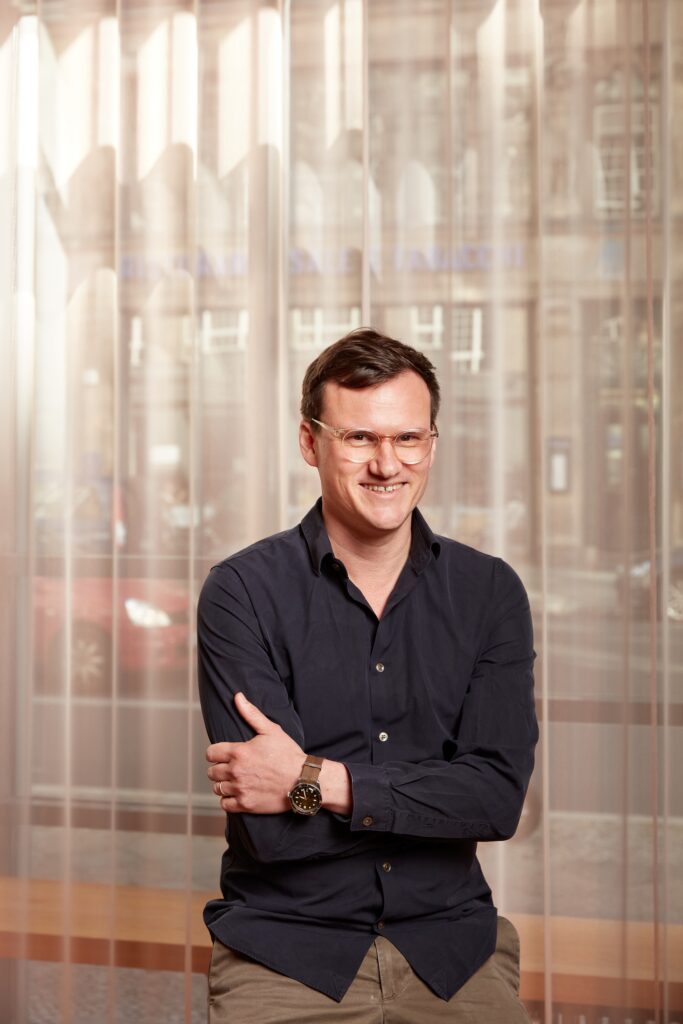
Chris Middleton
Kinzo
Chris Middleton is a founding partner and managing director of the Berlin-based architecture studio Kinzo. He studied at the Berlin University of the Arts and the Technical University of Berlin before working for architecture offices in Berlin and New York.
In 2005, he founded Kinzo together with Karim El-Ishmawi and Martin Jacobs. Influenced by Berlin’s nightlife and club culture, they focused from the outset on unlocking the hidden potential of spaces and thinking across disciplines. Middleton has led projects such as the headquarters for SoundCloud and Zalando in Berlin, as well as major campus structures for Erste Bank in Vienna and the Kyrgyz National Museum of Fine Arts in Bishkek, Kyrgyzstan.
photo: Sebastian Dörken
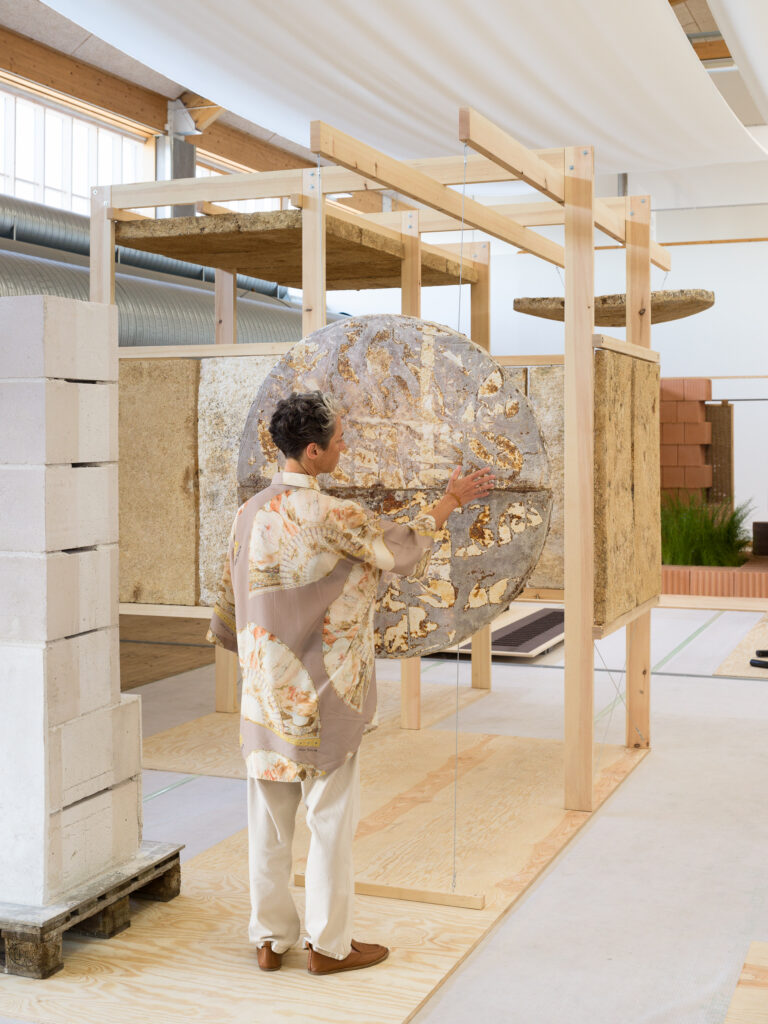
Chrissie Muhr
Experimental Foundation
Co-Managing Director and Artistic Director Experimental Foundation
Chrissie Muhr is an architect, researcher, and curator based in Basel. She is Co-Managing Director and Artistic Director of the Experimental Foundation in Berlin, which promotes experimental, practice-based approaches to sustainable architecture. Most recently, she curated the exhibition program “28 x Liveable City – A City Dialogue with Basel” between Denmark and Switzerland. In 2025, she will be part of the Danish Pavilion “Build of Site” by Pihlmann Architects at the Venice Architecture Biennale and serves as editor of the catalogue “Making Matter”. Previously, she curated the exhibition and publication “Reset Materials” at Copenhagen Contemporary (2023) and was Artistic Director of the first Architecture Week Basel in 2022 as well as the inaugural Reuse Basel Pavilion.
Muhr works transdisciplinarily as an advisor and teaches internationally, including at ETH Zurich, HGK Basel, EPFL Lausanne, HEAD Genève, Aarhus School of Architecture, TU Vienna, TU Munich, the AA School in London, and Harvard GSD. In 2021, she founded the AA Visiting School Post Carbon Material Practices, and in 2025 she initiated the Multispecies Spaces Lab at HGK Basel.
photo: Hampus Berndtson
Programme 2026
15 April 2026
6:30–11:00 pm
Opening Reception | 10 Years of Architecture Matters
Opening Reception | 10 Years of Architecture Matters
States of Uncertainty
Two perspectives on uncertainty – between radical freedom and geopolitical power shifts
with:
Gerd Harry Lybke, EIGEN + ART
Franz-Stefan Gady, military analyst and political consultant
16 April 2026
8:30–9:00 am
Coffee & Registration
Coffee & Registration
9:00–11:00 am
Mainstage Keynotes & Discussion
Mainstage Keynotes & Discussion
WELCOME
KEYNOTE
Elizabeth Diller, Diller Scofidio + Renfro
DISCUSSION
Jürgen Fenk, DIH AG, Thomas Gloßner, Bavarian State Ministry for Housing, Building and Transport, Henning Koch, Commerz Real AG, Jürgen Michels, Bayern LB, Thomas Sevcik, arthesia
11:00–11:30 am
Networking & Coffee Break
Networking & Coffee Break
11:30 am–1:30 pm
Mainstage Keynotes & Discussion
Mainstage Keynotes & Discussion
KEYNOTE
Carlo Ratti, MIT Senseable City Lab
KEYNOTE
Reinier de Graaf, OMA
1:30–3:00 pm
Networking Lunch
Networking Lunch
3:00–5:30 pm
Focus Session
Focus Session
Phase Zero
Focus Finance
Focus KI
The End of Monoculture
Light Industrial
Female Focus
5:30 pm
Closing
Closing
Focus Session
The Focus Sessions are part of the Architecture Matters conference, comprising several parallel roundtables with brief talks and small group discussions. This format offers space to dig deeper into a topic and exchange views directly: What does the future of building look like to you? What do you expect or hope for – from your counterparts? And what do you bring to the table?
Focus Session
Phase Zero
Phase Zero
Regenerative Future Practices – in cooperation with Experimental Foundation
Programme and moderation: Chrissie Muhr, Experimental Foundation
This focus session positions Phase Zero as the critical leverage point in the transition to regenerative building practices. It synthesizes insights from practitioners navigating restrictive legal frameworks, slow certification processes, and uneven market conditions, while implementing regenerative, circular, bio-based, and low-tech design strategies and processes.
Practitioners share first-hand experience with the challenges of sustainable building – legal, cultural, and material – and identify the scope, tools, and structures needed to move experimental projects towards a new normal. Together, we outline a new practice ecosystem in which architecture, craftsmanship, research, and policy collaborate to translate critical alternatives into the built environment.
This session will be held in English.
Focus Session
Focus Finance
Focus Finance
How much sustainability can still be financed?
Impulse and discussion, among others, with: Jan Friedrich, Bauwelt, and Christian Meister, Hines.
How much ambition to finance sustainable buildings will still be feasible in the future? To what extent is regulatory pressure from the perspective of banks to build sustainably changing? Were previous goals too ambitious and not practical to implement – or is there now a lack of political will (and societal pressure)?
Focus Session
Focus AI
Focus AI
Beyond the Hype: The Promise and Reality of AI – in cooperation with Doelker&
Impulse and discussion with: Marc Schmailzl, Research Associate at TUM, and Sabine Richly, lawyer and digital media consultant
Moderation: Arian Lehner, Architektur Aktuell
Programme: Martin Schnitzer, Hannes Dölker
Digitalization is rapidly reshaping the building sector – and artificial intelligence plays a central role. But how does AI actually work in our field? What opportunities does it offer for design, construction, and operations, and what risks do we need to consider?
We’ll explore these questions through a series of short talks: How AI works – fundamentals and practical application examples in the building sector. Risks – ethical and legal aspects: what to watch out for. Opportunities – where AI is already making a positive difference.
The aim is to find common ground and gather ideas for the future. Your experience and perspectives matter.
Focus Session
The End of Monoculture
The End of Monoculture
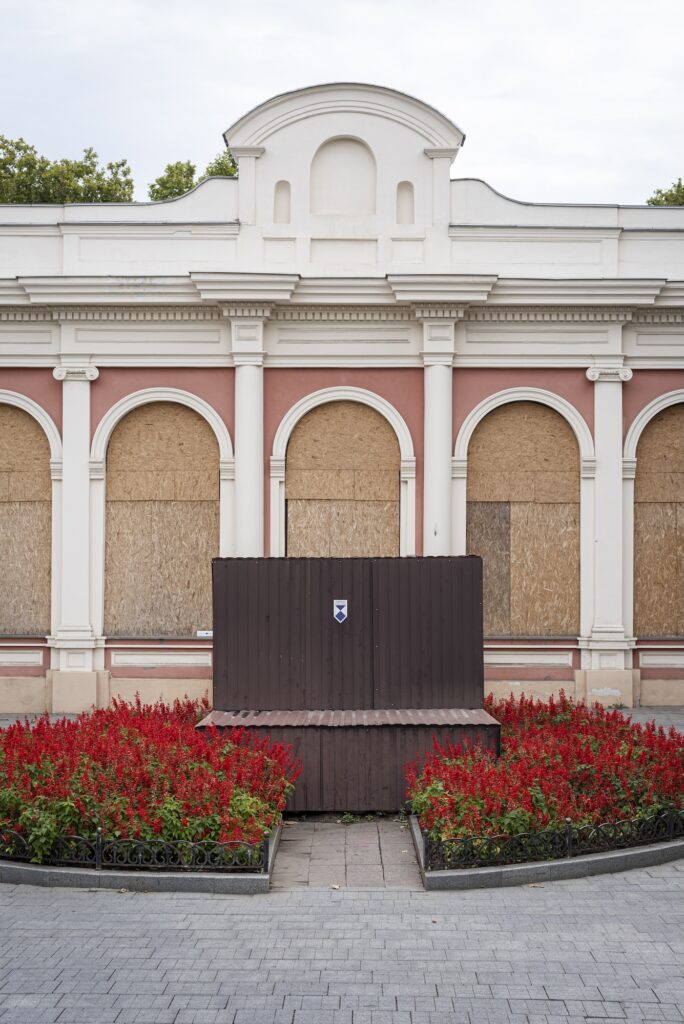
The End of Monoculture. Offices for an Uncertain Future
Impulse and discussion with: Chris Middleton, Kinzo, and Stefan Schillinger, Accumulata
Moderation: Matthias Alexander, FAZ
City centres are changing their function – and with them, the office. As demand for conventional office space declines, the appetite for places that support collaboration, identity, and urban diversity continues to grow. What must workplaces offer in the future – for companies, neighbourhoods, and our inner cities? And how do we convert existing buildings into flexible, resilient work environments that people choose to use, rather than simply occupy?
Focus Session
Light Industrial
Light Industrial
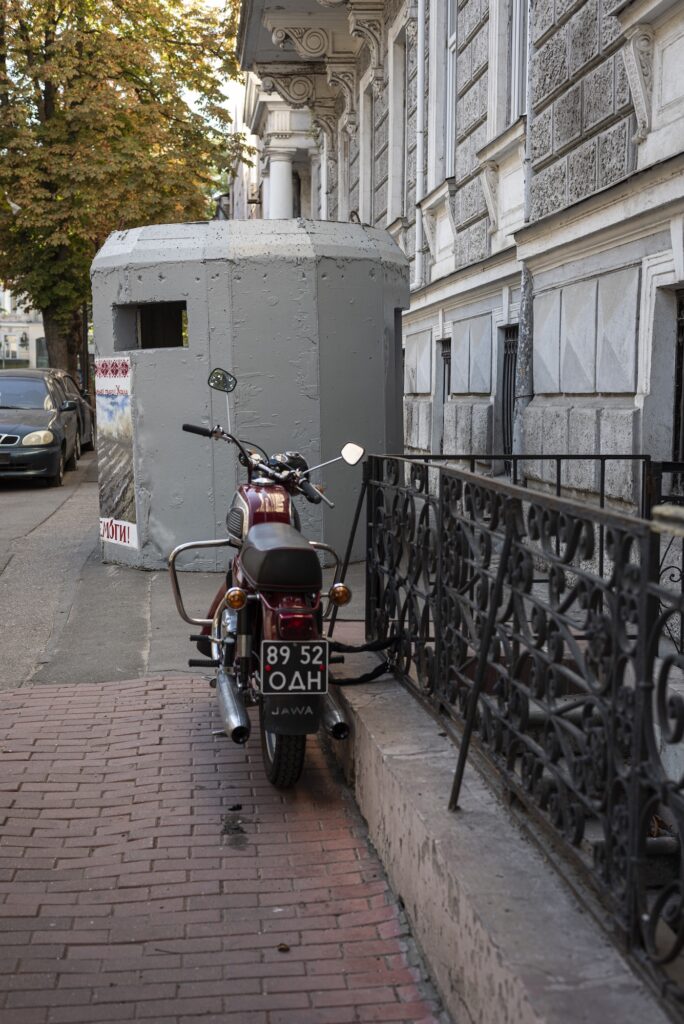
Light Industrial. The Return of production
Host and moderation: Thomas Sevcik, arthesia
Impulse: Eva Herr, Stadt Köln
New geopolitical realities and massive investments in security technologies are bringing production, high-tech industries, data centers and research back into our urban reality. This will redefine what industry or production could mean in the future. How will resilience and deterrence remake our urban as well as rural fabric? What does this mean for development, planning, permits – and for all of us?
Focus Session
Female Focus
Female Focus
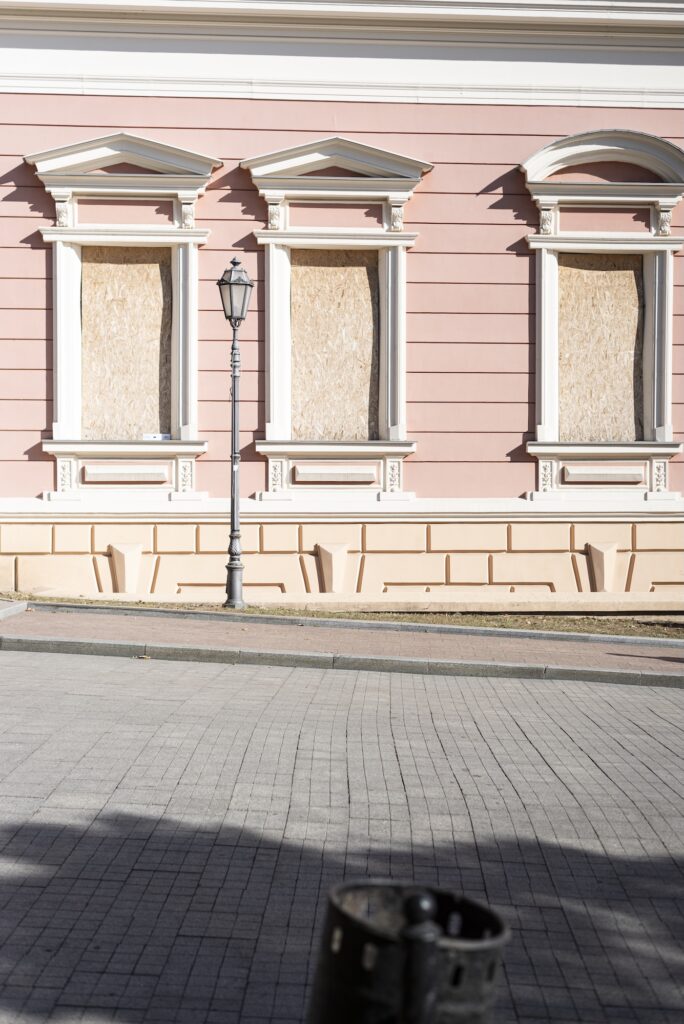
Female Focus. Diversity and resilience in urban planning
Programme and moderation: Regula Lüscher, Die Stadtmacherin
Urban development faces a future shaped by uncertainty, social friction, and the need for deep structural change. Diversity and resilience are becoming central success factors. This workshop examines the particular role of women in architecture, real-estate development, and public planning. It shows why their perspectives are essential for shaping resilient processes – and which strategies help women succeed when conditions become volatile.
The workshop brings together the leadership experience of Regula Lüscher with perspectives from a younger generation. This combination opens a dialogue-based, cross-generational view at career paths, structural barriers, leadership cultures, and the skills that build resilience.
Opening Reception AM2610Y (SOLD OUT!)
States of Uncertainty
Two perspectives on uncertainty – between radical freedom and geopolitical power shifts
with:
Gerd Harry Lybke, EIGEN + ART
Franz-Stefan Gady, military analyst and political consultant
opening remarks:
Elisabeth Merk, Planning Director, City of Munich
moderator: Nadin Heinich, plan A
Gerd Harry “Judy” Lybke is one of Germany’s most successful gallerists. Born in Leipzig in 1961, he decided early on to pursue a path beyond state expectations. He worked as a nude model at the Academy of Fine Arts Leipzig and exhibited art in his apartment. Five Stasi informants were assigned to him, and 18 files were compiled on his activities. Refusing to be intimidated, he found that this parallel world offered him a radical freedom. Shortly after German reunification, EIGEN + ART established an international presence: Tokyo was followed by stops in Paris, New York, and London. Lybke brought the “New Leipzig School”, including the painter Neo Rauch, to international prominence.
Franz-Stefan Gady is one of Europe’s leading military analysts and serves as an Adjunct Senior Fellow at the Center for a New American Security in Washington, DC. He advises governments and armed forces, regularly travels to the front lines in Ukraine, and confronts us with the uncomfortable reality of a new global order. Having long outsourced all things military to the US, we are now facing a watershed moment as America’s role in the international system shifts: military confrontation is increasingly viewed as a legitimate means of asserting national interests. At the same time, uncrewed systems and AI are fundamentally transforming warfare. Military security as the cornerstone of a democratic society – what does that mean today?
Architecture Matters 2026
Opening Reception
15 April 2026, 6:30 pm
ZIRKA Space
Dachauerstrasse 110c, 80636 Munich
Partner
Platin Partner
Lead Partner
Premium Partner
Focus Partner





media and collaboration partners